Underwater Ship Hull Cleaning in Djibouti: The Complete Guide
Located at the crossroads of major global shipping routes, Djibouti plays a vital role in East African maritime trade. With its busy ports and year-round ship traffic, marine growth on vessel hulls is a common challenge. Underwater ship hull cleaning in Djibouti has become a critical service for maintaining vessel performance, reducing fuel costs, and ensuring regulatory compliance.
Over time, hulls accumulate algae, barnacles, and other marine organisms that increase drag and slow down the vessel. By cleaning the hull regularly, shipowners can extend vessel lifespan, enhance fuel efficiency, and comply with international maritime standards such as those set by the IMO and MARPOL Convention.
Why Underwater Ship Hull Cleaning in Djibouti Matters
Every ship sailing through Djibouti’s warm waters faces biofouling—a buildup of marine organisms on submerged surfaces. This natural process increases resistance and fuel consumption, causing vessels to burn more fuel for the same speed. Underwater ship hull cleaning in Djibouti helps eliminate this growth, allowing ships to glide smoothly through the sea.
It also reduces harmful emissions and supports sustainability goals set by international maritime bodies like IMO. Moreover, clean hulls improve operational reliability and decrease maintenance downtime. For shipping companies navigating high-traffic routes near Djibouti, routine underwater cleaning isn’t just good maintenance—it’s an economic and environmental necessity.
The Process of Underwater Ship Hull Cleaning in Djibouti
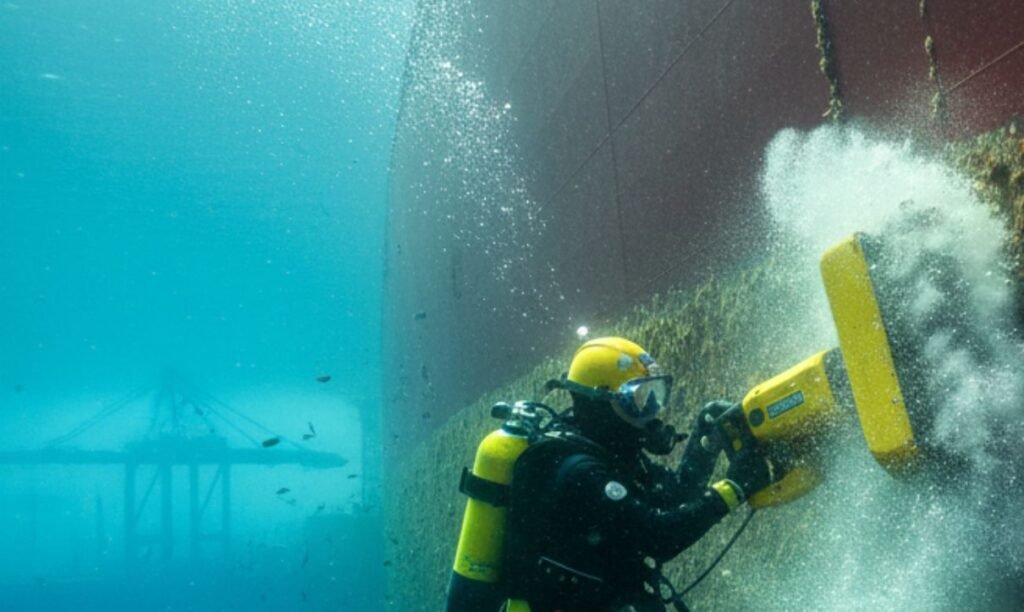
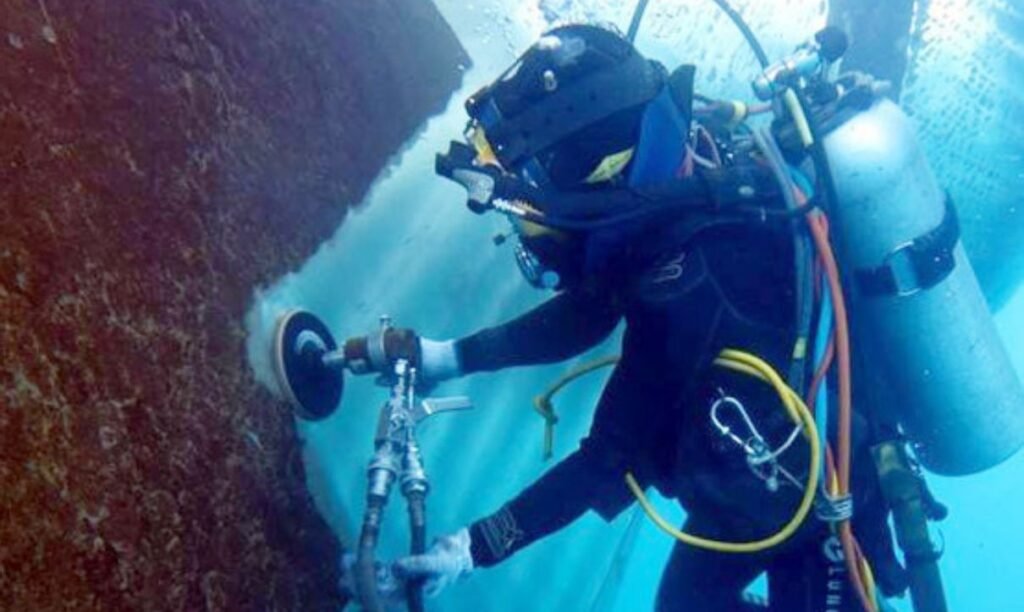
Underwater ship hull cleaning in Djibouti is performed by professional divers or remotely operated vehicles (ROVs). The process starts with a detailed underwater inspection to assess fouling levels. Then, divers use rotating brushes, water jets, or magnetic cleaning tools to remove marine growth. Advanced ROVs equipped with cameras provide live feedback for precision cleaning.
The debris collected during cleaning is safely captured and disposed of following MARPOL waste management guidelines. This method prevents pollutants from re-entering the ocean. The entire process is designed to be efficient, environmentally friendly, and safe for both divers and vessels operating in Djibouti’s busy ports.
Key Benefits of Regular Hull Maintenance
Routine underwater ship hull cleaning in Djibouti brings long-term advantages. It improves vessel speed and performance, saving up to 30% on fuel costs annually. Clean hulls minimize engine strain, leading to fewer mechanical issues and lower maintenance costs. Regular cleaning also prevents corrosion by removing organic matter that can damage coatings.
Beyond financial savings, it helps shipowners meet international environmental standards and avoid fines for non-compliance. Clean hulls also enhance voyage predictability, reducing delays caused by speed loss or maintenance breakdowns. In short, regular hull maintenance transforms operational reliability into a competitive advantage for ship operators. Also read about underwater ship hull cleaning in Moroni.
Environmental Responsibility in Djibouti’s Maritime Sector
The marine ecosystem around Djibouti is rich but sensitive. Poor hull cleaning practices can release toxic residues and invasive species into surrounding waters. That’s why underwater ship hull cleaning in Djibouti follows strict environmental protocols guided by MARPOL and IMCA. Many companies use biodegradable cleaning agents and collection systems that prevent debris from re-entering the sea.
These eco-friendly measures ensure that vessels stay compliant with environmental laws while protecting marine biodiversity. Sustainable cleaning practices not only preserve Djibouti’s coastal ecosystem but also strengthen the reputation of ship operators as responsible maritime stakeholders in international trade. Also, know about underwater ship hull cleaning in Mutsamudu.
Compliance with Global Maritime Standards
Compliance is at the core of underwater ship hull cleaning in Djibouti. International bodies such as the IMO and MARPOL Convention require vessels to maintain clean hulls to prevent the transfer of invasive species. Djibouti’s port authorities enforce these regulations strictly, and failure to comply can lead to penalties or port delays.
Certified service providers ensure all cleaning activities align with these standards. They follow safety protocols, provide documentation, and manage waste responsibly. By adhering to these global standards, shipowners can operate confidently, knowing their vessels are compliant, efficient, and environmentally sound during regional and international voyages. Read more about Underwater ship hull cleaning in Congo.
Technology Transforming Underwater Hull Cleaning
Technological innovation is revolutionizing underwater ship hull cleaning in Djibouti. Robotic cleaners, automated scrubbers, and advanced imaging systems have replaced many manual processes. These technologies improve precision, reduce diver risk, and minimize cleaning time. Artificial intelligence is also being used to analyze hull data, predicting when a vessel requires cleaning.
Sensors track biofouling growth and provide real-time updates for ship operators. This data-driven approach ensures maintenance is done only when necessary, saving time and money. The use of automation aligns with Djibouti’s goal of becoming a modern, high-tech maritime hub, ensuring efficiency, safety, and sustainability in all underwater cleaning operations. Learn more about Underwater ship hull cleaning in Djibouti.
Selecting the Right Underwater Cleaning Partner
Choosing the right partner for underwater ship hull cleaning in Djibouti is a strategic decision. Shipowners should look for certified providers who follow IMCA and IMO guidelines. A professional company will offer eco-friendly cleaning methods, experienced divers, and transparent reporting systems. It’s essential to check if the provider uses debris collection systems and advanced inspection tools.
CleanShip.co is one of the trusted names in the marine industry, known for adhering to international cleaning standards. Reliable partners help reduce operational risks, maintain vessel integrity, and support your compliance journey—all while contributing to Djibouti’s sustainable maritime growth.
Marine Supercargo Expands Services: Drug & Alcohol Testing for Safer Seas
Marine Supercargo, known for its expertise in global marine cleaning operations, has expanded its service offerings to include Drug and Alcohol Testing for seafarers. This initiative helps shipowners, operators, and managers maintain compliance with international maritime safety standards. With crew performance and safety being top priorities, this testing ensures that all personnel onboard are fit for duty.
The service aligns with IMO and IMCA guidelines to reduce accidents and operational disruptions. By integrating testing services into regular maintenance schedules, Marine Supercargo promotes safer, more reliable voyages. It’s a forward-thinking step that strengthens the company’s commitment to operational excellence and maritime safety worldwide.
Future Trends in Underwater Ship Hull Cleaning
The future of underwater ship hull cleaning in Djibouti is driven by innovation, sustainability, and automation. Eco-friendly anti-fouling paints are reducing biofouling, while robotic cleaning systems are making the process faster and safer. Predictive maintenance, powered by AI, will soon allow shipowners to forecast fouling buildup accurately.
As global emission standards tighten, Djibouti’s maritime industry is embracing green solutions that align with IMO’s decarbonization goals. Future developments will likely focus on zero-waste cleaning systems and digital monitoring for transparency. These advancements will make underwater cleaning smarter, cheaper, and more sustainable—ensuring Djibouti remains a leading maritime hub in East Africa. Learn about Underwater ship hull cleaning in Egypt.
Economic and Operational Advantages
Regular underwater ship hull cleaning in Djibouti directly impacts profitability. By reducing drag, vessels consume less fuel, translating to major cost savings. Lower engine strain means fewer breakdowns, extending machinery lifespan. Efficient hulls also improve cargo delivery timelines, ensuring client satisfaction and operational credibility.
Moreover, clean hulls lower greenhouse gas emissions, aligning with corporate sustainability goals. Investing in routine cleaning is not just about cost—it’s about safeguarding long-term operational success. The combination of reduced maintenance, fuel efficiency, and regulatory compliance creates a win-win for both shipowners and the environment in Djibouti’s maritime sector.
Conclusion: 3 Key Takeaways and Action Steps
Underwater ship hull cleaning in Djibouti is essential for vessel efficiency, safety, and compliance. First, it significantly reduces fuel costs and maintenance needs. Second, it ensures alignment with IMO and MARPOL environmental regulations. Third, it promotes cleaner seas and sustainable shipping.
By partnering with certified experts like CleanShip.co, shipowners can maintain high performance while supporting Djibouti’s vision of eco-friendly maritime operations. The future belongs to ships that operate smarter, cleaner, and safer—so take proactive steps today to schedule your next hull cleaning and keep your fleet at its best.
FAQs:
Q1. Why is underwater ship hull cleaning in Djibouti necessary?
It removes marine growth that slows vessels, reduces fuel efficiency, and increases emissions, ensuring compliance with IMO and MARPOL regulations.
Q2. How often should hull cleaning be performed?
Most vessels require cleaning every six months to maintain speed, reduce drag, and prevent corrosion caused by marine growth buildup.
Q3. What is biofouling, and why is it harmful?
Biofouling refers to the accumulation of marine organisms on a ship’s hull. It increases drag, reduces fuel efficiency, and can spread invasive species.
Q4. Why is drug and alcohol testing important in maritime operations?
It ensures crew members are fit for duty, reducing the risk of accidents and improving safety standards on board vessels.
Q5. How does CleanShip.co ensure eco-friendly cleaning?
CleanShip.co uses sustainable cleaning techniques, debris collection systems, and certified equipment to ensure safe and environmentally responsible operations.