
Hull Cleaning in Algiers: The Complete Maritime Guide
Hull Cleaning in Algiers plays a vital role in keeping vessels efficient, eco-friendly, and compliant with maritime standards. As one of North Africa’s busiest ports, Algiers welcomes thousands of ships annually, ranging from oil tankers to cargo carriers. However, the Mediterranean’s warm waters make it a hotspot for marine fouling—unwanted growth on a ship’s hull that increases drag and fuel consumption.
Regular hull cleaning ensures smoother sailing, lower emissions, and improved performance. In this guide, we’ll explore the process, benefits, compliance requirements, and innovations shaping the future of hull maintenance in Algiers’ maritime landscape.
The Growing Importance of Hull Cleaning in Algiers
Shipping activity in Algiers has increased significantly in recent years, underscoring the need for thorough vessel maintenance. Hull Cleaning in Algiers has become more than just an aesthetic task—it’s an operational necessity. Marine organisms, such as barnacles, algae, and mussels, cling to hull surfaces, creating drag that slows vessels and increases fuel costs.
By removing these biofouling layers, ships regain optimal performance and reduce energy use. Algiers’ port authority emphasizes sustainable practices aligned with IMO guidelines. Regular cleaning not only protects vessels but also helps operators maintain safety, comply with regulations, and contribute to a cleaner marine environment.
How Hull Cleaning in Algiers Works
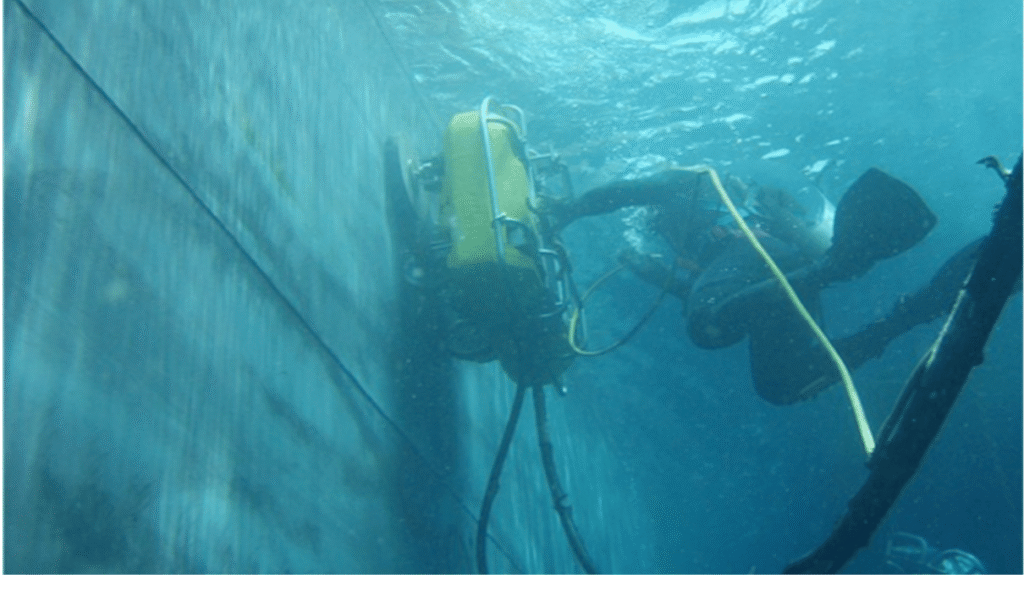
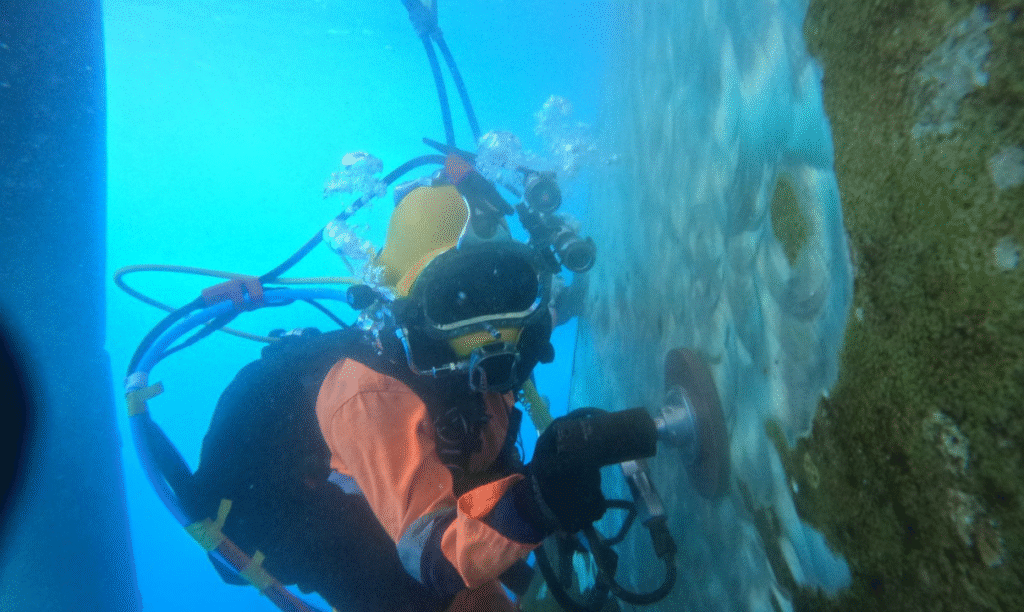
Hull Cleaning in Algiers typically involves professional divers or robotic systems using advanced tools to clean underwater surfaces. Divers employ high-pressure water jets and rotating brushes that safely remove marine growth without damaging protective coatings. Increasingly, remotely operated vehicles (ROVs) are used for efficiency and safety.
These machines can inspect and clean even hard-to-reach areas. Waste from the cleaning process is collected to prevent contamination, ensuring compliance with the MARPOL Convention. The goal is to restore the hull’s smoothness and minimize resistance, improving overall hydrodynamic performance while adhering to environmental standards.
Environmental Impact and Marine Protection
Hull Cleaning in Algiers supports global sustainability goals by preventing invasive species transfer and reducing carbon emissions. Fouled hulls force ships to burn more fuel, which releases excess CO₂ into the atmosphere. Clean hulls promote efficiency and help mitigate environmental impact.
The port of Algiers has adopted stricter waste management rules to ensure that cleaning residue does not harm marine life. This aligns with the International Association of Ports and Harbors‘ initiative for greener shipping. By maintaining eco-friendly operations, vessel owners not only protect profits but also preserve the delicate marine ecosystems along Algeria’s Mediterranean coastline. Know more about underwater ship hull cleaning in Oran.
Economic and Operational Advantages
Hull Cleaning in Algiers offers significant cost-saving benefits. A dirty hull can reduce a vessel’s speed by up to 15% and increase fuel use by as much as 40%. Regular cleaning restores the hull’s efficiency, lowering energy costs and improving operational performance. For shipping companies, this translates to millions saved annually.
Moreover, smoother hulls reduce wear on engines and extend the lifespan of coatings. This proactive maintenance also minimizes downtime, allowing vessels to stay operational longer. In a competitive market like Algiers, efficient ships have the edge, achieving faster turnaround times and enhanced profitability across global routes. Read more about underwater ship hull cleaning in Algeria.
Safety and Compliance in Maritime Operations
Hull Cleaning in Algiers isn’t just about efficiency—it’s also about safety and regulatory compliance. International laws, including those set by IMO and IMCA, mandate regular inspections and cleanings to reduce marine pollution and ensure seaworthiness. A fouled hull can disrupt propulsion and steering systems, increasing accident risks.
Clean hulls enhance control, stability, and fuel flow. Adhering to environmental and operational standards helps operators avoid penalties, maintain insurance validity, and demonstrate commitment to responsible shipping. With Algiers being a key Mediterranean gateway, compliance with these standards ensures smooth operations and global credibility for fleet owners. Learn more about underwater ship hull cleaning in Skikda
Emerging Technologies in Hull Cleaning
Modern technology is transforming Hull Cleaning in Algiers. Automated cleaning robots equipped with sensors and cameras are replacing traditional divers. These AI-powered devices can map fouling patterns, measure cleaning effectiveness, and complete jobs faster with minimal environmental impact.
They operate remotely and collect bio-waste safely. Some systems use magnetized crawlers that attach to hulls and move seamlessly underwater. Digital inspection data helps operators track maintenance schedules and fuel savings. As innovation grows, these tools promise cleaner, safer, and more efficient hull cleaning.
They also reduce diver risks, making the process more consistent, data-driven, and sustainable for long-term maritime operations. Also read about ship hull cleaning in Algeria.
Choosing Reliable Hull Cleaning Providers in Algiers
Selecting the right partner for Hull Cleaning in Algiers requires careful consideration. Look for providers certified under IMCA and IMO guidelines who prioritize safety, documentation, and sustainability. A reliable company will offer underwater inspection reports, biofouling analysis, and follow environmental disposal protocols.
CleanShip.co is an example of a trusted global provider known for eco-friendly cleaning and inspection solutions. Before hiring, verify service records, diver experience, and post-cleaning reports. Working with qualified professionals ensures compliance, reduces operational risks, and maximizes long-term savings. A dependable partner becomes an essential part of your vessel’s maintenance strategy in Algiers’ demanding port environment. Also, know about underwater ship hull cleaning in Lobito.
“Marine cleaning, anytime. Anywhere. 🌊 #GlobalMarine”#shipping #maritime #ship #cruises #sealife #port #shipping #marine #captain #vessel #ships #cargo pic.twitter.com/GgKTqEMETK
— Marine Super Cargo (@Marinsupercargo) October 4, 2025
Challenges Faced During Hull Cleaning Operations
Despite advancements, Hull Cleaning in Algiers faces operational and environmental challenges. Weather changes, murky waters, and restricted port access can delay cleaning schedules. Overcleaning may damage antifouling coatings, while inadequate cleaning leaves biofouling residues. Disposal of debris must follow strict MARPOL guidelines to avoid pollution.
Training, safety gear, and modern technology are essential to overcome these issues. Skilled divers or ROV operators must adapt to varying conditions without compromising results. Maintaining regular maintenance schedules and adhering to international best practices ensures consistent efficiency. These efforts make hull cleaning in Algiers not just effective but also environmentally responsible and sustainable.
Marine Supercargo Expands Services: Drug & Alcohol Testing for Safer Seas
Marine Supercargo, a leader in global marine maintenance, has expanded its services beyond Hull Cleaning in Algiers to include professional Drug & Alcohol Testing for seafarers. This initiative enhances onboard safety and regulatory compliance. The testing services help ship owners, operators, and managers ensure that crew members meet the highest standards of fitness and responsibility.
It supports adherence to IMO and IMCA regulations, fostering a safer working environment. By integrating these services, Marine Supercargo strengthens its commitment to operational excellence, safety, and crew well-being—helping global fleets maintain safety, efficiency, and integrity on every voyage.
Future of Hull Cleaning in Algiers
The future of Hull Cleaning in Algiers is set to be shaped by sustainability, automation, and digital transformation. AI-driven maintenance planning and predictive analytics will soon replace traditional cleaning schedules. Ships will use onboard sensors to detect fouling early, triggering automated cleaning solutions.
Eco-friendly coatings and biodegradable cleaning materials will further minimize environmental harm. Collaboration between Algerian port authorities, environmental agencies, and maritime innovators will create cleaner ports and greener operations. This evolution will make Algiers a hub for advanced, sustainable maritime services, ensuring global competitiveness while protecting the region’s vital marine ecosystems.
Conclusion
Hull Cleaning in Algiers is a critical part of responsible maritime operations. It enhances efficiency, protects the environment, and ensures regulatory compliance. Regular cleaning prevents costly fuel waste, improves vessel performance, and extends hull longevity.
As technology evolves, adopting modern solutions and reliable providers like CleanShip.co will help fleets stay competitive and sustainable. The sea rewards care—clean ships sail smoother, safer, and smarter toward a greener maritime future.
FAQs:
Q1. Why is Hull Cleaning in Algiers important for ships?
It prevents marine fouling, reduces drag, and improves fuel efficiency, ensuring vessels comply with international maritime regulations and environmental standards.
Q2. How often should vessels be cleaned?
Ships in Algiers’ warm waters should undergo hull cleaning every 3–6 months to maintain peak performance and prevent biofouling buildup.
Q3. What are the environmental benefits of hull cleaning?
It reduces greenhouse gas emissions, prevents invasive species transfer, and promotes cleaner, healthier marine ecosystems around Algiers’ coastal areas.
Q4. How does drug and alcohol testing improve maritime safety?
Testing ensures crew fitness, reduces accidents, and supports compliance with international maritime laws, promoting safer working conditions onboard vessels.
Q5. Why choose certified providers for hull cleaning?
Certified companies follow IMO and IMCA standards, use eco-friendly methods, and ensure accurate inspection reports for long-term operational efficiency.