

When you think of hull cleaning, it often feels like a simple maintenance task—a scrape, a brush, a polish, and the ship is ready to sail, right? But what if I told you that beneath the gleaming steel, trouble was quietly hitching a ride? This is the story of what happened when invasive species were detected even after a professional cleaning, and why it matters to every shipowner, operator, and manager worldwide.
In this in-depth case study, we’ll unpack how something as routine as invasive species hull cleaning can spark unexpected risks. You’ll see the environmental fallout, the regulatory pinch, and the financial ripple effects. More importantly, we’ll explore solutions and the future of safe, compliant hull cleaning.
Setting the Stage: Why Hull Cleaning Matters
Hull cleaning has always been about efficiency—removing biofouling organisms that increase drag, fuel consumption, and operational costs. But in recent years, it’s become something much bigger.
- Biofouling and invasive species are among the top threats to marine ecosystems.
- Regulators like the International Maritime Organization (IMO) are tightening controls.
- Ports and coastal states are enforcing stricter inspections and penalties.
Think of the hull as a floating ecosystem. Left unchecked, it becomes a biological “Uber ride” for invasive species, transporting them to ecosystems that cannot handle their presence.
This is why invasive species hull cleaning has climbed to the forefront—not just as vessel maintenance, but as an environmental safeguard.
The Case Study: Invasive Species After Cleaning
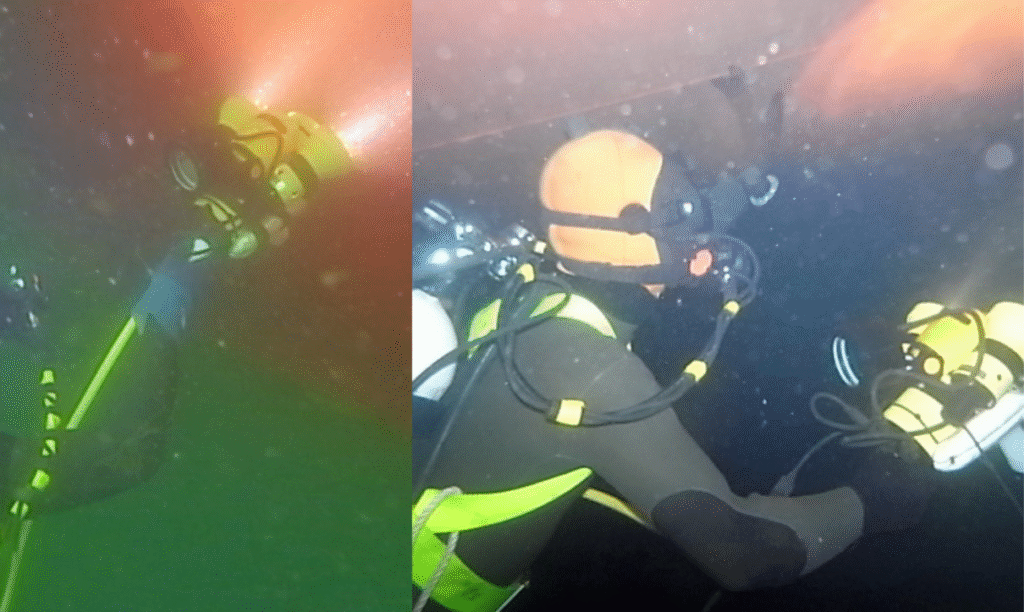
In 2024, a Panamax bulk carrier underwent routine underwater hull cleaning before docking in a biodiverse Pacific port. The cleaning was done following standard procedures with divers using specialized brushes. Everything appeared normal—until port state inspectors conducted a routine check.
Here’s what they found:
- Residual biofouling: Small colonies of barnacles and algae were not fully removed.
- Cryptic organisms: Tiny marine snails hidden in niche areas, like sea chests and anode guards.
- Full-blown detection: Microscopic larvae of an invasive tunicate (sea squirt) were present in biofilm samples.
This discovery triggered alarms not just for the vessel owner, but also for the port authority.
What Went Wrong?
Hull cleaning should minimize biological risks, but this case showed multiple gaps:
- Cleaning coverage gaps – Complex hull geometries such as propeller shafts, sea chests, and stern tube areas were missed.
- Biofilm resilience – Even after scrubbing, biofilms (slimy layers of microorganisms) protected some species from being dislodged.
- Technology limits – Underwater cleaning tools were not effective in removing hard-to-spot microscopic fouling.
- Compliance blind spot – The crew believed cleaning had achieved compliance, but the inspection revealed otherwise.
In short, relying on conventional approaches without advanced assessment tools left the vessel vulnerable.
Consequences of Detection
For the ship operator, the consequences were steep:
- Delayed entry into port while further inspection was carried out.
- Additional cleaning orders, raising immediate dry-docking and maintenance costs.
- Regulatory scrutiny, including fines and compliance notices.
- Reputation risks, as the vessel’s operator gained attention for non-compliance.
But the larger consequence was ecological: the risk of introducing invasive tunicates, which can smother native marine life, clog intake pipes, and disrupt fisheries in the host ecosystem.
✅ 4 Things to Check for Safety at Sea pic.twitter.com/dAxhJQ2i6U
— Marine Super Cargo (@Marinsupercargo) September 14, 2025
Why This Matters to You
A ship as large and professionally maintained as a Panamax bulk carrier can face such setbacks; it shows us that invasive species hull cleaning isn’t just about scrubbing off marine growth. It’s about precision, risk management, and compliance.
For shipowners and managers:
- Costs spiral when ports detain or redirect vessels.
- Non-compliance can block charter opportunities.
- Reputational harm can extend beyond one incident.
The lesson? Hull cleaning is no longer an afterthought. It’s a compliance issue at the intersection of shipping efficiency and global environmental protection.
Lessons Learned from the Incident
This case provided three critical lessons:
- Routine cleaning is not enough – Niche areas must be given the same attention as flat hull surfaces.
- Regulations are evolving fast – Authorities like the IMO and port states are pushing invasive species hull cleaning obligations under instruments linked to MARPOL and biofouling guidelines.
- Advanced methods are needed – Mechanical brushes alone cannot eradicate microscopic fouling; inspection technologies, coatings, and biofilm-resistant strategies are essential.
Regulatory Backdrop
To fully grasp the urgency, let’s look at the regulatory framework:
- IMO Biofouling Guidelines (2011): Encourage ships to adopt Biofouling Management Plans and practices.
- MARPOL Annex V: Governs pollution from ships, indirectly linked to fouling discharge.
- IAPH (International Association of Ports and Harbors): Promotes biofouling control standards across ports.
- Regional initiatives (e.g., New Zealand, Australia): Require vessels to arrive with “clean hull” certification.
This regulatory web means that what seems like a routine cleaning can become a matter of international compliance.
Technological Solutions Emerging
Innovation is transforming invasive species hull cleaning into a high-tech frontier. Consider some breakthroughs:
- Robotic cleaners: Autonomous hull-cleaning robots that minimize diver involvement and capture waste.
- Biocide-release coatings: Advanced antifouling paints that prevent larval settlement.
- Ultrasonic cleaning systems: High-frequency sound waves to disrupt biofilm attachment.
- In-water capture systems: Cleaning machines that vacuum and filter biofouling residues instead of releasing them.
These technologies reduce both compliance and ecological risks, saving operators from costly surprises.
Cost-Benefit Analysis
A common concern is cost. Why invest in advanced hull cleaning if traditional methods seem to work?
Here’s the trade-off:
- Traditional cleaning: Lower upfront cost, higher risk of incomplete removal, leading to fines and delays.
- Advanced methods: Higher initial investment, but reduced regulatory exposure, better efficiency, and long-term savings in fuel and maintenance.
Think of it like investing in a good lock for your front door—you pay more upfront, but you sleep better knowing your home is secure.
How to Avoid Another Incident
For operators looking to avoid the mistakes of this case, a proactive roadmap is essential:
- Complete inspections before and after hull cleaning.
- Focus on niche areas like sea chests, rudders, shafts, and gratings.
- Adopt biofouling management plans aligned with IMO guidelines.
- Choose contractors with waste-capture systems, reducing environmental discharge.
- Train crew and divers to recognize biofilm layers and hidden organisms.
By combining compliance vigilance with modern technology, the risks shrink dramatically.
Future Trends in Hull Cleaning
Looking ahead, invasive species hull cleaning will evolve into a hybrid of:
- AI-driven inspections, where drones and sensors document fouling in real-time.
- Eco-friendly coatings, reducing reliance on copper or biocides.
- Port-state digitization requires digital hull compliance certificates.
- Closed-loop cleaning systems ensure zero discharge into sensitive waters.
The trend is clear: the future will demand precision, accountability, and sustainability.
Final Thoughts on the Case Study
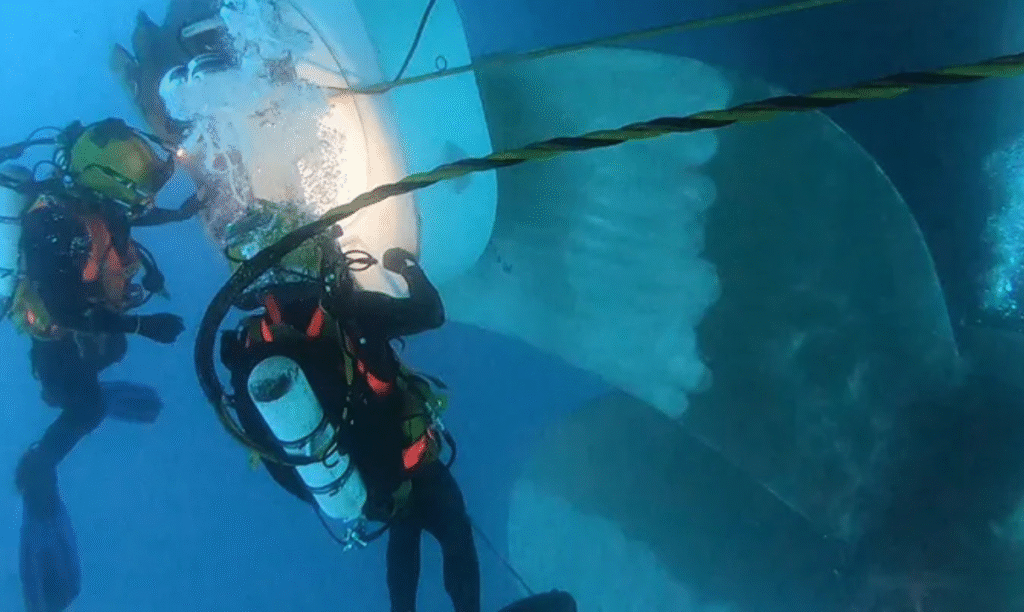
The incident with the Panamax bulk carrier showed that even when following standard cleaning protocols, invasive species hull cleaning can slip through the cracks. This isn’t a failure of diligence, but a reminder that ship operators must adapt proactively.
Invasive species hull cleaning is no longer just about efficiency. It’s about compliance, environmental stewardship, and financial prudence.
Conclusion
This case study gives us three lasting takeaways:
- Invasive species hull cleaning can persist even after cleaning if niche areas are overlooked.
- Regulatory frameworks are tightening, leaving no room for outdated approaches.
- Investing in technology and proactive biofouling management pays off in compliance, costs, and sustainability.
If you’re seeking reliable strategies to protect your fleet and the oceans, explore modern hull-cleaning approaches at CleanShip.co—because the cost of non-compliance is far greater than the cost of prevention.
FAQs:
Q1. Why is invasive species hull cleaning a concern for ship hulls?
They disrupt local ecosystems, outcompete native species, and can create serious compliance and operational risks for ship operators.
Q2. What is biofouling, and why does it matter?
Biofouling is the build-up of microorganisms, algae, and animals on hulls. It increases drag, fuel use, and spreads invasive species hull cleaning globally.
Q3. How often should hulls be cleaned to prevent invasives?
Frequency depends on trade routes and coatings, but proactive cleaning every few months is recommended, along with niche-area attention.
Q4. Are robotic hull cleaners better than divers?
Yes. Robotic systems improve precision, capture waste, and reduce risks to divers while ensuring regulatory compliance.
Q5. What happens if invasive species hull cleaning is detected after cleaning?
Vessels may face port delays, fines, forced additional cleanings, and reputational damage while increasing ecological risks.